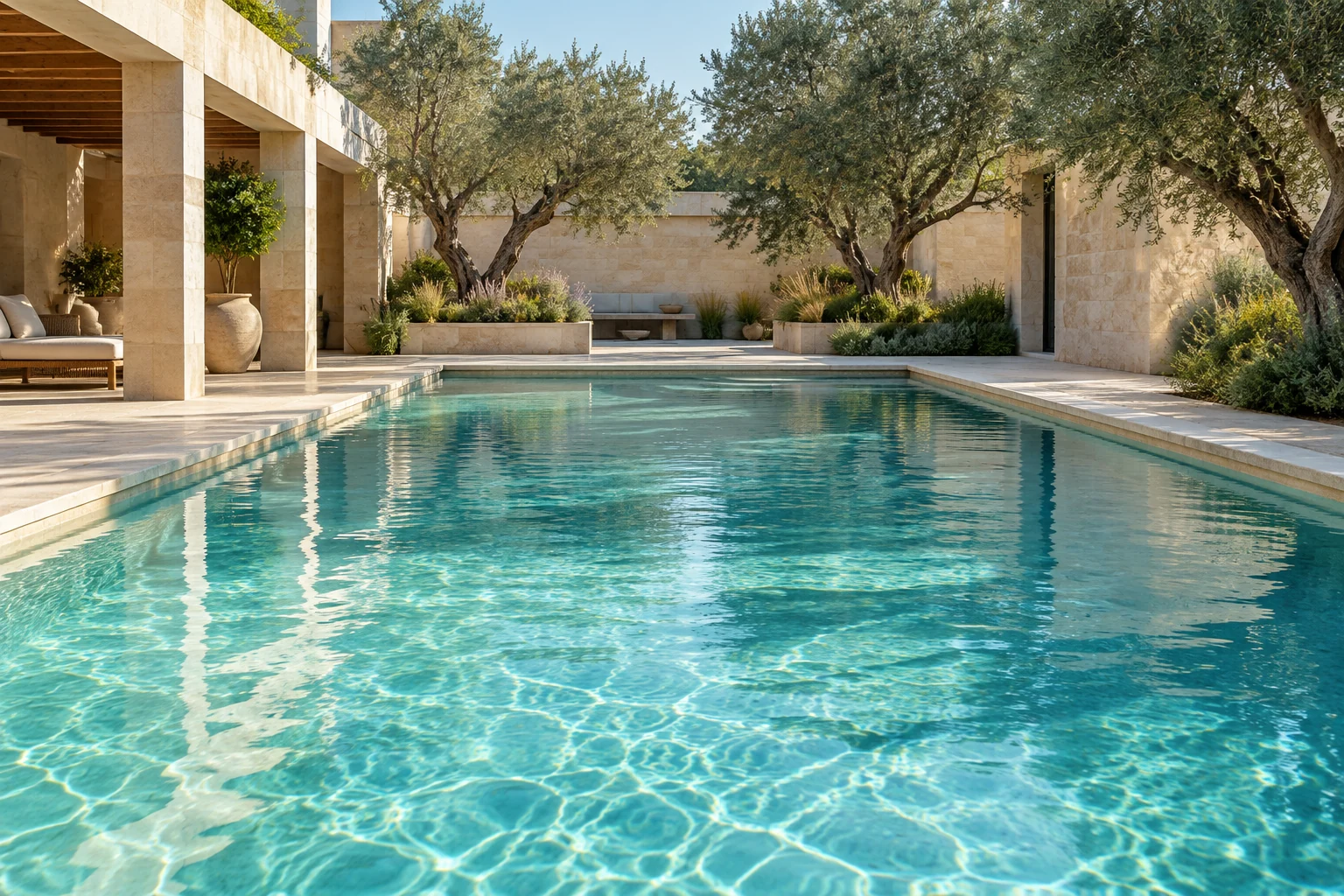
Six decisions to make before you build a pool
The shape comes later. Start with how you will swim, where you will sit, and what the pool will need to run well.
Read articleStart with two recurring demands: replacing evaporated water and moving water through the system. A suitable cover can reduce evaporation, while a correctly selected and programmed pump can use less electricity. The result depends on the pool, the equipment and how consistently they are used.
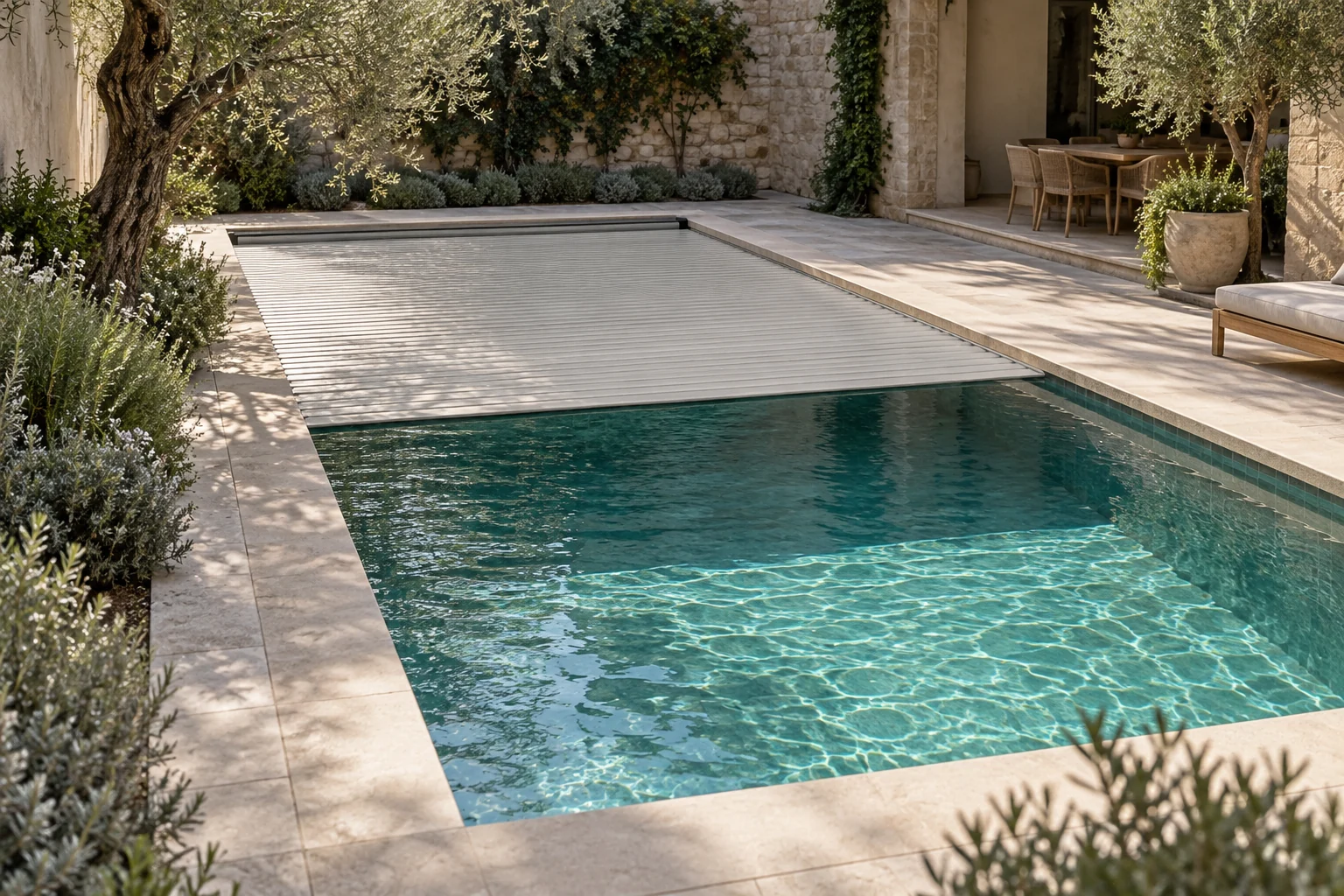
A cover only reduces evaporation while it is in place. Ask how it opens, where it is stored and who will operate it. For a new pool, discuss the cover before fixing the shape and deck layout; space for its mechanism should be part of the plan.
Confirm that the cover suits your treatment system and the way you use the pool. A cover sold to reduce evaporation should not be assumed to be a safety barrier. Verify any safety rating separately.
Variable speed pumps can run more slowly for routine filtration and faster when equipment needs more flow. That flexibility can reduce electricity use compared with constant high-speed operation. The right choice still depends on the pipework, filter and connected equipment.
Ask the installer for a written schedule showing speeds, operating hours and required flow. Do not copy another pool's settings. The schedule must meet filtration, treatment and equipment requirements before savings are considered.
Keep baskets clear and arrange filter cleaning according to its instructions. Check for leaks and unexplained changes in the water level. These are worth investigating before assuming that every refill is caused by evaporation.
If you have heating, review when it runs and the temperature you need. Request an estimate based on your swimming schedule and local energy rates, with the assumptions written beside the number.
Record your current pump schedule and available electricity and water usage. After a change, compare a similar period with similar weather and swimming activity. A lower bill is useful evidence; a saving quoted for a different climate or tariff is only a starting point.
For replacement equipment, compare the purchase and installation cost with the estimated annual saving. Include servicing and parts before deciding whether the payback makes sense.
Have a technician review cover use, leaks and pump programming. Fix avoidable waste, then price the equipment changes that still offer a worthwhile saving.
The shape comes later. Start with how you will swim, where you will sit, and what the pool will need to run well.
Read article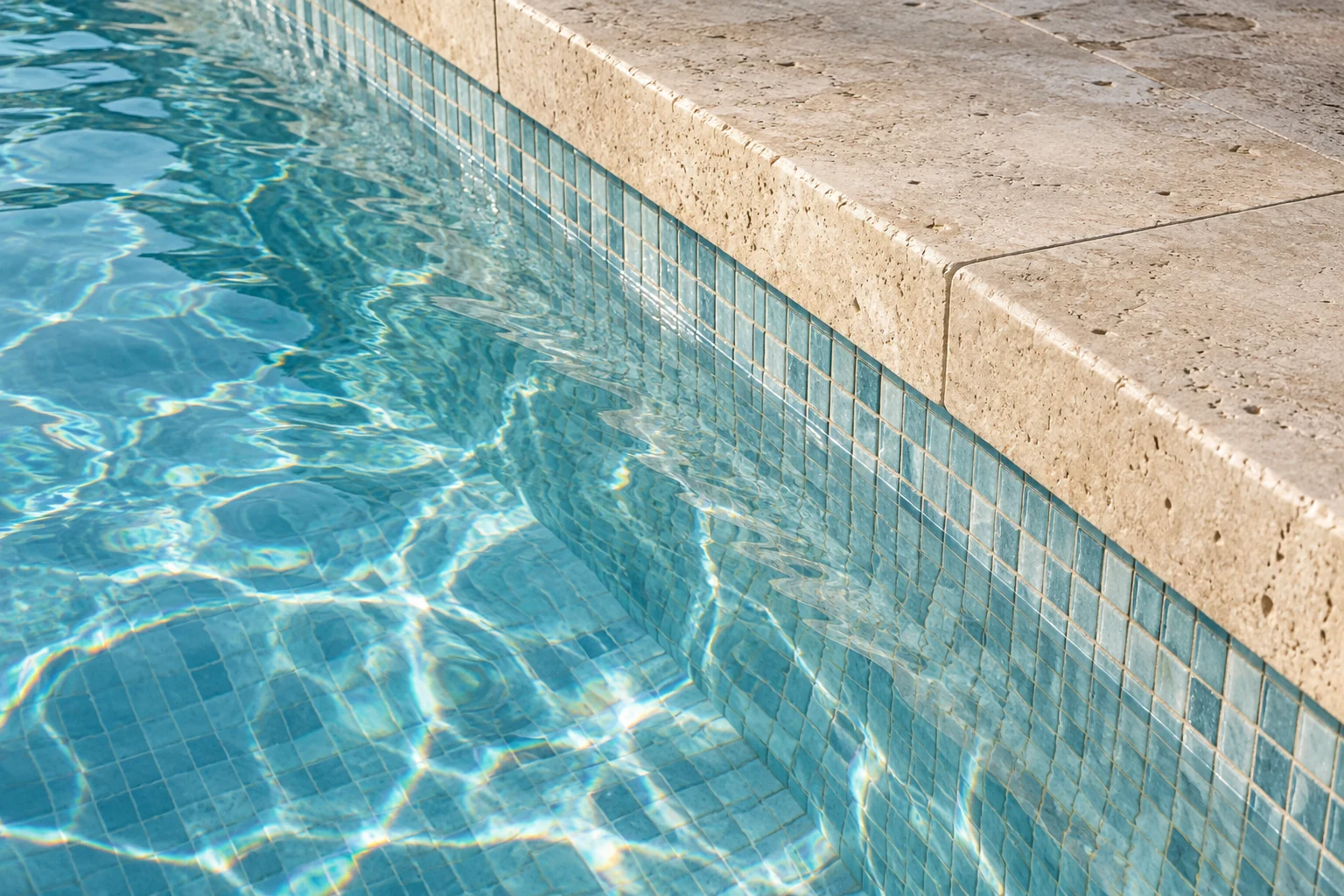
A dry sample tells part of the story. Water depth, sunlight and the surrounding materials all influence the colour you will see.
Read article